
Teams that need a clearer external route
- Businesses where staff use AI without a shared method
- Teams turning research, content or reporting into repeatable tasks
- Managers deciding which AI applications are worth testing first
Bring a real work task. Practise preparing information, giving instructions and checking output, then turn the method into a lightweight workflow you can use back at work.
Starbay Media and EmpowerWithAI build exercises around management, research, content or reporting tasks. One-day on-site training focuses on a shared method and a practical task; two-day training in Guangzhou Nansha extends this into workflows and a personal AI workspace.
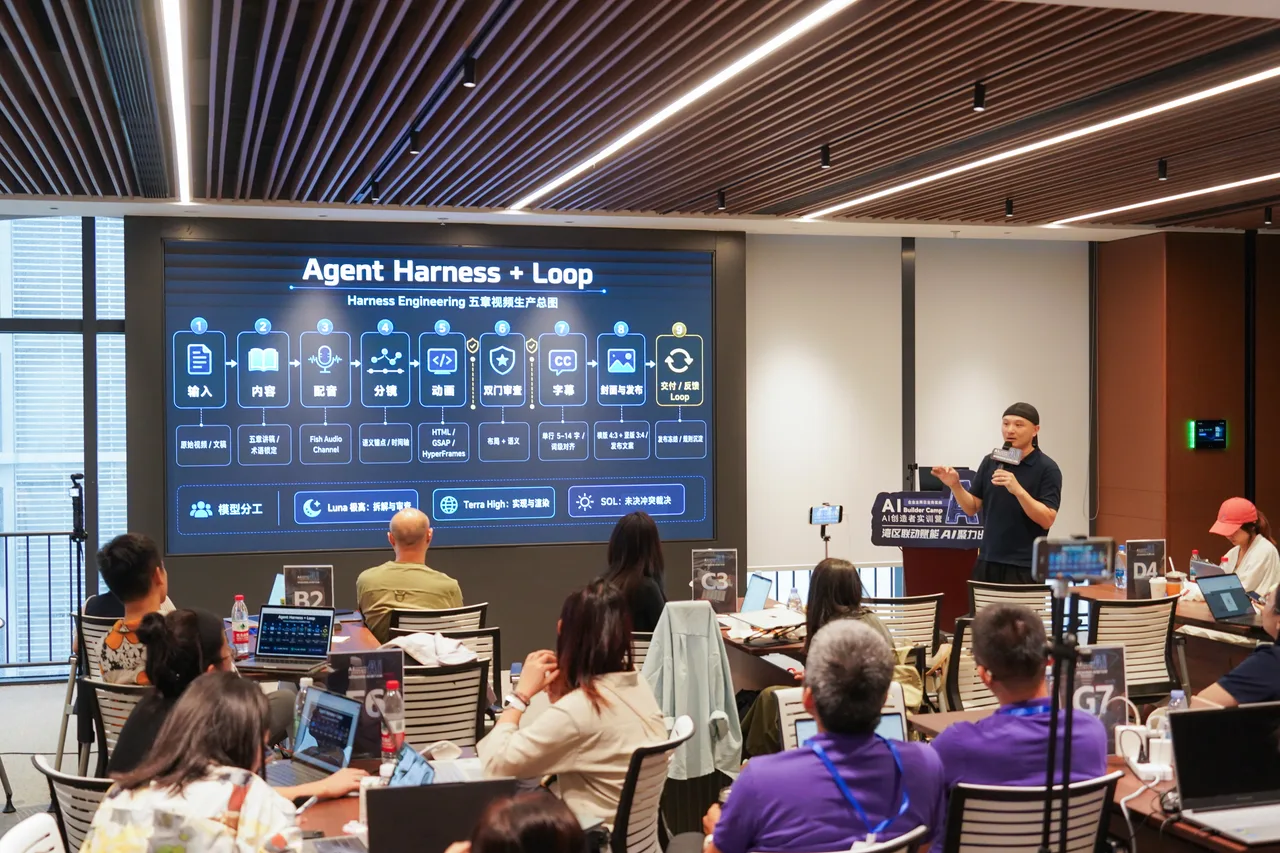
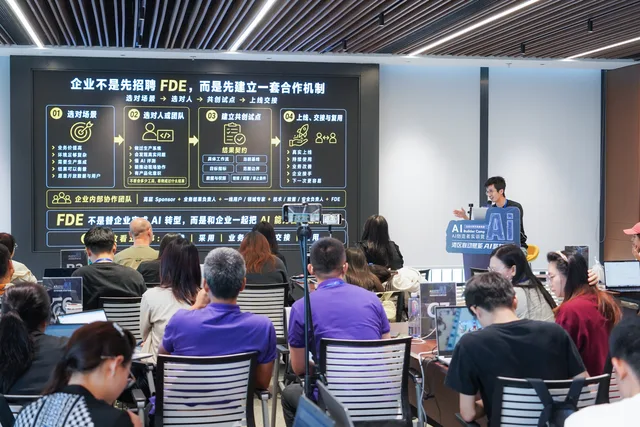
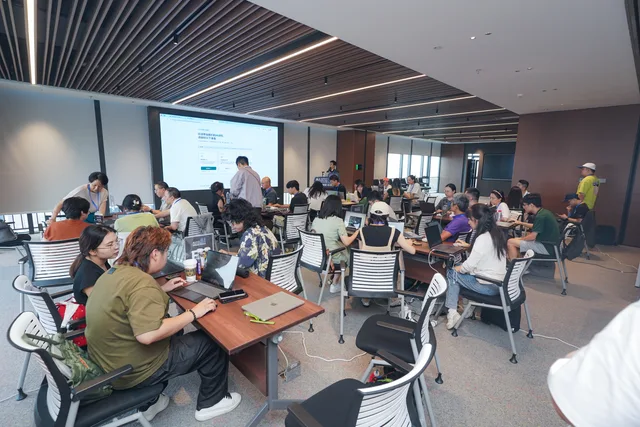
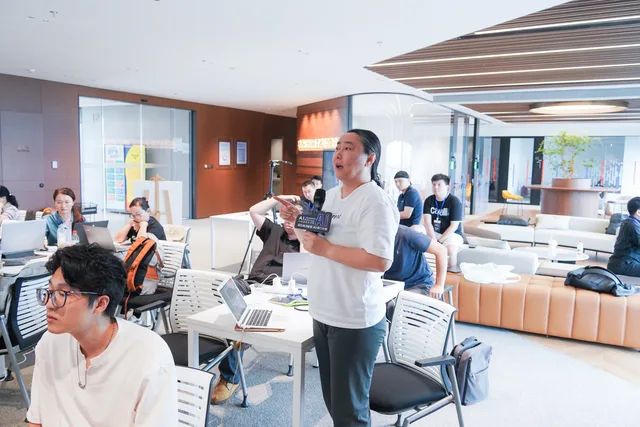
These images record the August 2026 Guangzhou Nansha class. They illustrate the teaching method and are not a fixed itinerary for every enterprise programme.
View the complete Enterprise AI Training programme on EmpowerWithAI ↗
If the problem sounds familiar, start with a short diagnostic call before choosing a package.
Plan training around your team's real tasksEach stage is designed to leave a decision trail: what was confirmed, why it matters, and how it can be reused by the team after handover.
Share participant roles, current tools and sample tasks. Select exercises that can be performed and checked during training.
Break down the requirement, prepare context and run the task, then use the checklist to identify and correct gaps.
Discuss outputs and limitations, save the reusable method and define the next workplace test.
Prompts are improvised and output quality is hard to judge
One task has defined inputs, a working method and an output checklist
Useful approaches remain in personal chat histories
Colleagues can try shared instructions, context and step-by-step templates
Select the outputs you need. Quantities, formats, review rounds and acceptance criteria are confirmed in the proposal.
Candidate exercises prioritised by practical need, available information and how the output can be checked.
Required inputs, output expectations and review steps, so participants can assess their work.
Prompts, context templates or skills tested in class, with conditions for use and limitations.
A role-related exercise output. The two-day format also develops a lightweight personal AI workspace.
The next task to try, points to improve and checks the team can use to compare outputs.
Compare the communication challenge, formats and delivery scope with your own brief. Each reference demonstrates its stated work, not a promised commercial result.
A fixed package can look simple but often misses the real business context. Pricing depends on scope, urgency, assets, approval flow and confidentiality needs.
A shared method and role-related task. Quoted by participant count, preparation and training location.
Extended task workflows and a personal AI workspace, with curriculum, venue and supporting arrangements confirmed for your team.
Use a redacted work sample to decide where AI can assist, how the output will be checked and what remains a human decision. Choose a one-day introduction, two-day practical workshop or departmental pilot. The completed August 2026 cohort illustrates the method; it is not a current enrolment notice.
One-day on-site training establishes a shared method through a role-related task. Two-day training in Guangzhou Nansha builds on this with an end-to-end task workflow and a lightweight personal AI workspace.
We can begin with information gathering, research, writing or reporting. Tool familiarity is discussed beforehand so exercises fit the participants; programming is not assumed as the starting point for every group.
No. That is a recommended group size, not a fixed capacity. Numbers depend on task difficulty, venue and instructor provision. Dates, tools, location and fees are confirmed after discussing your needs.
The course delivers practical outputs, reusable methods and lightweight workflow prototypes, not a complete enterprise system. Production integration, access controls and maintenance need separate assessment.
Send a short brief through the contact page. We will review the context and suggest a practical next step.